Supplements Quiz Test Your Knowledge
April 8, 2026
Melatonin Supplements Function Uses Benefits Side Effects and Key Considerations
April 9, 2026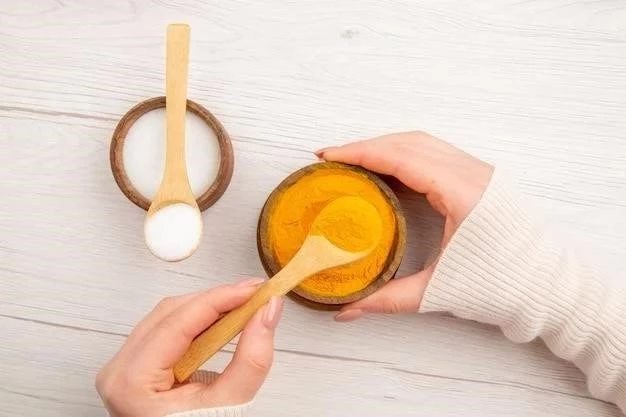
Turmeric‚ a vibrant golden spice‚ has moved from traditional cuisine and folk medicine into the forefront of dietary supplements․ Its popularity stems from scientific interest in its potential health benefits‚ primarily attributed to compounds called curcuminoids‚ with curcumin being the most studied․ Turmeric supplements aim to deliver these powerful compounds in an absorbable form․
Historical Roots and Core Compounds
For millennia‚ turmeric (Curcuma longa) was central to Ayurvedic and Traditional Chinese Medicine‚ valued for treating inflammation‚ digestive issues‚ and skin conditions․ This ancient appreciation underpins modern scientific research․ The key active compounds‚ curcuminoids (curcumin‚ demethoxycurcumin‚ bisdemethoxycurcumin)‚ are potent antioxidants and anti-inflammatory agents․ A major challenge is curcumin’s naturally low bioavailability‚ meaning its poor absorption and rapid elimination․ This has driven the development of advanced formulations to enhance its efficacy․
Potential Health Benefits
Extensive research highlights a broad spectrum of potential health advantages:
- Anti-inflammatory: Curcumin modulates molecular pathways involved in inflammation (e․g․‚ NF-κB)‚ offering promise for managing chronic inflammatory conditions․
- Antioxidant: A potent antioxidant‚ curcumin neutralizes free radicals‚ reducing oxidative damage and boosting the body’s own antioxidant enzymes․
- Joint Health: Its anti-inflammatory action makes it popular for relieving joint pain and stiffness‚ particularly in osteoarthritis‚ improving function and comfort․
- Digestive Support: Traditionally used for digestion‚ it may soothe the digestive tract and support healthy gut flora‚ potentially easing indigestion and bloating․
- Brain Health: Emerging research suggests neuroprotective effects‚ potentially enhancing brain-derived neurotrophic factor (BDNF)‚ supporting memory‚ and cognitive function․
- Cardiovascular Health: May improve endothelial function‚ reduce oxidative stress‚ and help regulate cholesterol and blood pressure‚ contributing to heart health․
- Skin Health: Due to anti-inflammatory and antioxidant properties‚ turmeric can support skin health‚ potentially aiding conditions like acne‚ eczema‚ and psoriasis․
Types of Turmeric Supplements
To enhance curcumin’s poor bioavailability‚ various formulations exist:
- Standardized Extracts: Concentrated curcuminoids‚ typically 95% curcumin․
- With Black Pepper (Piperine): Piperine significantly boosts curcumin absorption by inhibiting metabolic enzymes; a common and effective formulation․
- Liposomal Curcumin: Curcumin encapsulated in lipid bubbles‚ protecting it from degradation and aiding cellular absorption․
- Micellar Curcumin: Encapsulated in tiny spherical micelles‚ making it water-soluble and improving absorption․
- Phytosome Formulations: Curcumin bound to phospholipids for enhanced absorption (e․g․‚ Meriva)․
- Whole Root Powder: Less potent than extracts‚ chosen for its full spectrum of compounds‚ but with lower curcumin absorption․
Dosage and Precautions
Dosage varies by formulation‚ concentration‚ and health goal․ Standardized extracts typically range from 500-1‚500 mg/day‚ often divided․ Always follow manufacturer instructions and consult a healthcare professional before starting‚ especially with existing conditions or other medications․
While generally safe‚ potential side effects include:
- Digestive Upset: High doses can cause mild nausea‚ diarrhea‚ or stomach cramps․
- Blood Thinning: May have mild blood-thinning effects․ Use with caution if on anticoagulants (warfarin‚ aspirin) to avoid increased bleeding risk; medical supervision advised․
- Gallbladder Issues: Stimulates bile production; problematic for those with gallbladder disease or gallstones․
- Drug Interactions: Can interact with anti-diabetic drugs‚ stomach acid reducers‚ and certain chemotherapy medications․
- Pregnancy/Breastfeeding: Insufficient safety research for high doses; generally advised to avoid unless doctor-recommended․
- Iron Absorption: High doses might inhibit iron absorption․
Choosing a Quality Supplement
Selecting a high-quality product is crucial:
- Standardization: Look for at least 95% curcuminoids․
- Bioavailability Enhancers: Opt for piperine or advanced delivery systems (liposomal‚ micellar‚ phytosome)․
- Third-Party Testing: Ensures purity‚ potency‚ and absence of contaminants (heavy metals‚ pesticides)․
- Reputable Brands: Choose trusted manufacturers with transparent labeling and GMP certifications․
- Minimal Ingredients: Prioritize products with few fillers‚ binders‚ or artificial additives․
Turmeric supplements bridge ancient wisdom and modern science‚ offering potent anti-inflammatory and antioxidant benefits for joint‚ brain‚ cardiovascular‚ and digestive health․ Understanding bioavailability‚ dosage‚ potential side effects‚ and selecting a high-quality product are key․ An informed approach‚ guided by professional medical advice‚ ensures safe and effective use of turmeric for optimal overall wellness․