Eye Health Supplements: A Comprehensive Guide
July 13, 2026
Choosing the Best CoQ10 Supplement A Comprehensive Guide
July 14, 2026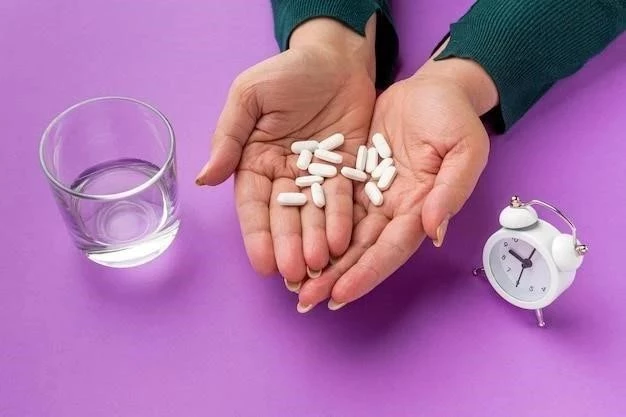
Hormonal imbalances can manifest in numerous ways – fatigue, weight gain, mood swings, sleep disturbances, and more․ While lifestyle changes (diet, exercise, stress management) are foundational, supplements can offer targeted support․ Important Disclaimer: Always consult your doctor before starting any new supplement regimen, especially if you have existing health conditions or are taking medications․
Understanding Hormonal Imbalance
Hormones are chemical messengers crucial for regulating bodily functions․ Imbalances occur when there’s too much or too little of a specific hormone․ Common culprits include:
- Cortisol: The stress hormone․ Chronic stress leads to elevated cortisol․
- Estrogen: Important for reproductive health, but imbalances can cause PMS, fibroids, or even increased cancer risk․
- Testosterone: Crucial for muscle mass, energy, and libido (in both men & women)․
- Thyroid Hormones: Regulate metabolism․
- Progesterone: Important for menstrual cycle and pregnancy․
Adaptogens for Cortisol
Adaptogens help the body adapt to stress․ Ashwagandha is a popular choice, shown to lower cortisol levels and improve resilience․ Rhodiola Rosea can also combat stress and fatigue․ Dosage varies; follow product instructions and consult a healthcare professional․
Magnesium for Overall Hormone Support
Magnesium plays a role in over 300 enzymatic reactions, including hormone production and regulation․ Deficiency is common․ Magnesium glycinate is well-absorbed and can improve sleep, which is vital for hormone balance․ Aim for 200-400mg daily․
Vitamin D for Estrogen & Testosterone
Vitamin D acts more like a hormone than a vitamin․ It influences estrogen and testosterone production․ Many people are deficient, especially in winter months․ Get your levels checked and supplement accordingly (typically 1000-2000 IU daily)․
Zinc for Testosterone & Progesterone
Zinc is essential for testosterone production and supports progesterone synthesis․ It also plays a role in thyroid hormone conversion․ Good sources include oysters, beef, and pumpkin seeds․ Supplement with 15-30mg daily if needed․
DIM (Diindolylmethane) for Estrogen Metabolism
DIM, found in cruciferous vegetables (broccoli, cauliflower), helps the body metabolize estrogen more effectively, reducing estrogen dominance․ It’s often used to support healthy hormone balance in women․ Dosage varies; start low and increase gradually․
Omega-3 Fatty Acids for Inflammation
Omega-3s (EPA & DHA) reduce inflammation, which can disrupt hormone signaling․ Found in fatty fish (salmon, mackerel) and flaxseed oil․ Aim for 1-2 grams of combined EPA & DHA daily․
Important Considerations
Supplements are not a magic bullet․ They work best when combined with:
- A balanced diet: Focus on whole, unprocessed foods․
- Regular exercise: Supports hormone regulation and reduces stress․
- Stress management techniques: Yoga, meditation, deep breathing․
- Adequate sleep: Essential for hormone production․
Caution: Self-treating hormonal imbalances can be dangerous․ Work with a qualified healthcare professional to determine the root cause of your symptoms and develop a personalized plan․