

The Advantages of Zinc Supplementation
May 22, 2026
Guide to Evidence-Backed Supplements
May 24, 2026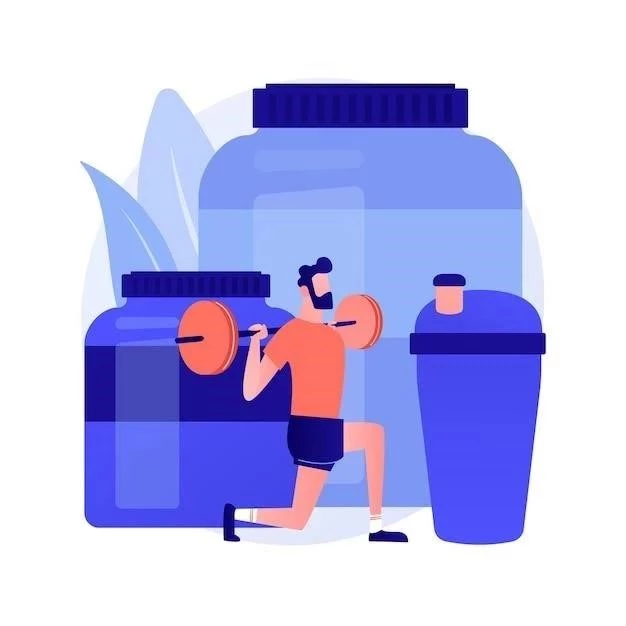
In the pursuit of peak athletic performance and optimal physical development, many individuals turn to sports supplements as an adjunct to their diet and training․ While whole foods and consistent effort remain paramount, certain supplements have garnered significant scientific backing for their ability to enhance recovery, strength, endurance, or muscle growth․ Understanding their roles and proper usage is key․ Here, we explore four of the most popular and evidence-based sports supplements․
Creatine
Creatine is a naturally occurring compound stored in muscle cells, primarily used to produce energy during high-intensity, short-burst activities․ It aids in regenerating ATP, the body’s immediate energy source․
- Benefits: Increases muscle strength, power output, and lean body mass․ Enhances high-intensity exercise performance and aids recovery between sets․
- Usage & Safety: Most effective as creatine monohydrate․ A typical dose is 3-5g daily after an optional loading phase (20g/day for 5-7 days)․ Generally safe for healthy individuals; ensure adequate hydration․
Whey Protein
Whey protein is a complete, fast-digesting protein derived from milk, rich in all essential amino acids crucial for muscle repair and growth․ Its rapid absorption makes it ideal for post-workout recovery․
- Benefits: Promotes muscle protein synthesis, aids muscle growth and repair, and supports recovery․ Can contribute to satiety and overall protein intake․
- Usage & Safety: Commonly consumed post-exercise (20-40g per serving) or as a convenient protein boost․ Available as concentrate, isolate (lower lactose), or hydrolysate․ Safe for most; those with lactose intolerance might prefer isolate․
Caffeine
Caffeine is a well-known stimulant that primarily enhances performance by blocking adenosine receptors, thereby reducing the perception of fatigue and increasing alertness․
- Benefits: Improves endurance, reduces perceived effort, enhances focus and cognitive function, and can aid fat oxidation during exercise․
- Usage & Safety: Typically consumed 30-60 minutes pre-exercise, with doses ranging from 3-6 mg/kg body weight․ Found in coffee, pre-workouts, or pills․ Moderate use is generally safe, but excessive intake can cause jitters, anxiety, and sleep disruption․ Individual tolerance varies․
Branched-Chain Amino Acids (BCAAs)
BCAAs (leucine, isoleucine, valine) are essential amino acids metabolized directly in muscle tissue․ They play a vital role in muscle protein synthesis and can serve as an energy source during prolonged exercise․
- Benefits: May reduce muscle soreness (DOMS), decrease muscle protein breakdown during intense exercise, and support muscle recovery․
- Usage & Safety: Often taken before, during, or after workouts, typically 5-10g per serving․ While generally safe, for individuals consuming sufficient dietary protein, the additional benefits of BCAA supplementation might be limited․
Creatine, whey protein, caffeine, and BCAAs are among the most researched and widely utilized sports supplements, offering distinct advantages for various athletic goals․ However, it’s crucial to view them as complementary tools, not replacements for a robust diet, consistent training, and adequate rest․ Prioritize foundational habits, ensure products are third-party tested for purity, and always consult a healthcare professional or registered dietitian before integrating new supplements into your regimen, especially if you have existing health conditions or are on medication․ Informed and responsible supplementation paves the way for safer and more effective results․