
Whole Foods and Supplements A Guide to Optimal Health
February 28, 2026
Unregulated Dietary Supplements A Hidden Health Risk
March 3, 2026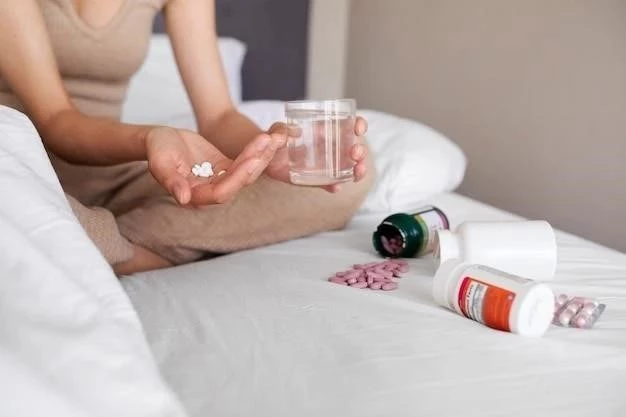
Estrogen, a vital female hormone, significantly impacts reproductive health and various bodily functions. During perimenopause and menopause, declining estrogen levels often lead to uncomfortable symptoms and health concerns. Estrogen supplements are frequently considered to address these issues, but their use demands a careful evaluation of both advantages and potential risks.
Why Women Consider Estrogen Supplements
The primary reason for estrogen supplementation is to manage menopausal symptoms, including:
- Hot flashes and night sweats
- Vaginal dryness, itching, and painful intercourse
- Sleep disturbances and mood changes
Beyond symptom relief, estrogen therapy helps prevent bone loss and reduces osteoporosis risk post-menopause. It’s also crucial for women with premature ovarian insufficiency (POI) or those who have undergone surgical menopause, supporting overall health.
Types of Estrogen Supplements
Estrogen supplements are available in various forms:
- Oral Pills: Convenient, but liver metabolism can affect clotting factors.
- Transdermal (Patches, Gels, Sprays): Absorbed through the skin, bypassing initial liver processing, potentially reducing some risks.
- Vaginal (Creams, Rings, Tablets): Primarily provides local estrogen to vaginal tissues, effective for dryness and urinary symptoms with minimal systemic absorption.
Supplements can contain synthetic estrogens or bioidentical estrogens (chemically identical to natural hormones). The choice depends on individual needs and medical guidance.
Benefits of Estrogen Supplementation
When prescribed appropriately, estrogen supplements offer significant advantages:
- Symptom Relief: Effectively reduces hot flashes, night sweats, and improves sleep and mood.
- Vaginal Health: Restores moisture and elasticity, reducing discomfort from vaginal atrophy.
- Bone Protection: Prevents bone density loss, significantly lowering fracture risk.
- Quality of Life: Enhances overall comfort and well-being during menopause.
Risks and Important Considerations
Estrogen supplements carry risks, varying by type, dose, duration, and individual health. Key risks include:
- Cardiovascular Risks: Oral estrogen, especially, can increase blood clot, stroke, and heart disease risk, particularly if started many years post-menopause.
- Cancer Risk: Unopposed estrogen (without progestin) in women with a uterus raises endometrial cancer risk. Combined estrogen-progestin therapy may slightly increase breast cancer risk with long-term use.
- Other Side Effects: Gallbladder disease, nausea, bloating, breast tenderness, and headaches.
Women considering estrogen supplements must have a thorough discussion with their healthcare provider, reviewing medical and family history. Treatment should use the lowest effective dose for the shortest duration, tailored to individual needs under medical supervision.
Estrogen supplements can effectively manage menopausal symptoms and offer health protection. However, the decision requires careful evaluation of benefits versus risks in consultation with a doctor. Personalized medical advice is crucial for safe and effective hormone therapy.