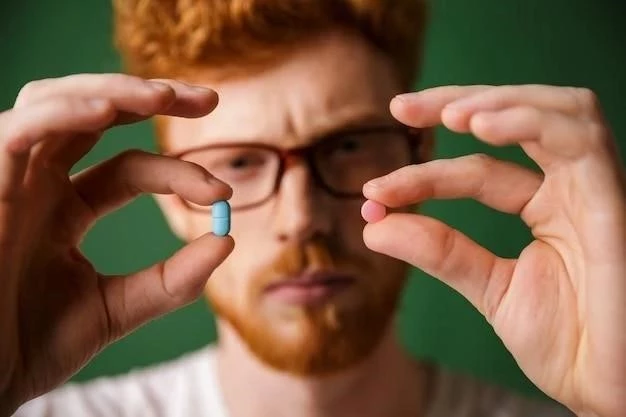
The Best Time of Day to Take Your Vitamins
January 11, 2026Supplements boron: Hormonal Support and Bone Strength: The Underestimated Role of Supplements Boron
January 12, 2026Historically, creatine monohydrate supplementation was primarily linked to athletic performance, specifically muscle mass and strength. However, contemporary scientific inquiry has significantly broadened this understanding, unveiling a profound spectrum of cognitive and neuroprotective benefits. This shift in perception, where experts now recognize creatine’s role “beyond building muscle mass,” marks a pivotal paradigm. This article meticulously details the mechanisms and compelling evidence, supporting creatine’s crucial role in cerebral health, moving definitively past its conventional reputation to acknowledge its broad influence on brain function and resilience.
The Bioenergetic Foundation: Creatine in Cerebral Metabolism
Creatine is an essential, endogenously synthesized compound, vital for cellular energy homeostasis, particularly in organs with high energy demands like the brain. In cerebral metabolism, creatine plays a pivotal role within the phosphocreatine (PCr) system. This system serves as an immediate, rapidly deployable buffer for adenosine triphosphate (ATP) levels, facilitating swift energy regeneration critical for optimal neuronal function and intercellular communication. Research consistently demonstrates that creatine supplementation significantly increases brain creatine stores, thereby augmenting cerebral bioenergetics. This enhanced energy supply aids various brain regions, supporting complex mental activities, maintaining cellular integrity, and bolstering resilience under metabolic duress. Furthermore, creatine may function as a neuromodulator, influencing synaptic efficacy and plasticity—fundamental processes for learning and memory formation. Its role as an essential compound for the brain, aiding both energy supply and neuroprotection, is increasingly recognized.
Cognitive Enhancement: Sharpening the Mind
Emerging research rigorously substantiates creatine’s capacity to positively influence diverse cognitive domains. A comprehensive systematic review and meta-analysis indicate that creatine monohydrate may confer beneficial effects on cognitive function in adults, particularly in memory, attention time, and information processing speed. Oral creatine administration has also improved short-term memory and intelligence/reasoning in healthy individuals. The impact extends to states of metabolic stress; for instance, a single dose of creatine significantly improves cognitive performance and induces beneficial changes in cerebral high-energy phosphates during sleep deprivation. In aging adults, increased brain creatine stores contribute to enhanced measures of cognition and memory. Creatine has also been reported to improve executive function and decrease depression symptoms, suggesting a broader positive impact on mental well-being and cognitive resilience. These findings collectively position creatine as a versatile cognitive enhancer.
Neuroprotection: Safeguarding Brain Health
Beyond its cognitive-augmenting properties, creatine exhibits considerable neuroprotective potential, offering a crucial defense for brain health. A primary mechanism involves its robust ability to mitigate oxidative stress damage to brain cells, a critical factor in numerous neurodegenerative conditions. By reducing cellular damage, creatine helps preserve neuronal viability and function. This neuroprotective role extends to preventing structural and functional damage to mitochondria, supporting overall brain cell health and metabolic efficiency. Historically, creatine was considered a promising neuroprotective agent for neurological disorders like Parkinson’s and Huntington’s diseases, supported by plausible mechanisms and early trials. Emerging research further suggests a significant neuroprotective role in recovery from traumatic brain injury. Studies have also shown a neuroprotective effect of creatine in animal models of cerebral ischemia, highlighting its broad applicability in safeguarding the brain against various insults. The growing interest in creatine’s neuroprotective capabilities underscores its potential as a valuable therapeutic adjunct in managing and preventing neurodegenerative pathologies and acute brain injuries.
Clinical Evidence and Future Directions
Recent clinical investigations provide increasingly robust evidence for creatine’s broader therapeutic applications. A significant pilot study in Alzheimer’s disease (AD) patients (ClinicalTrials.gov, NCT05383833) demonstrated the feasibility of creatine monohydrate supplementation and provided preliminary evidence for cognitive improvement. Participants exhibited enhanced global (p = .02) and fluid (p = .004) cognitive composites, alongside statistically significant improvements in specific tests: List Sorting (p = .001), Oral Reading (p < .001), and Flanker (p = .05) tests. These findings are pivotal, suggesting creatine supplementation in AD is feasible and holds substantial promise for future efficacy studies. While systematic reviews confirm moderate cognitive benefits, particularly for memory and processing speed in older adults, effects on other cognitive domains, especially in healthy individuals, warrant further clarification. The evolving understanding necessitates continued rigorous research to fully elucidate optimal dosages, specific formulations, and precise populations that stand to benefit most from creatine supplementation for cognitive enhancement and neuroprotection. The transition from preliminary observations to evidence-based interventions marks a transformative paradigm shift in creatine’s neurological utility.
The scientific trajectory of creatine supplementation has undeniably transcended its initial, muscle-centric focus. Current, robust evidence unequivocally supports its multifaceted benefits for cerebral health, encompassing significant cognitive enhancement and potent neuroprotective properties. By augmenting brain energy metabolism, acting as a sophisticated neuromodulator, and effectively mitigating oxidative stress, creatine presents a highly compelling profile as a dietary supplement for optimizing brain function and resilience across the human lifespan and in various pathological states. As rigorous research continues to unravel its full potential, creatine monohydrate is poised to gain even greater recognition as a foundational compound for a holistic well-being, extending its profound influence far beyond muscle development to the intricate and critical landscape of the human brain, promising a future of enhanced cognitive vitality and neurological protection.