

A Guide to Supplements for Perimenopause
April 16, 2026The Essential Guide to Protein Supplements
April 16, 2026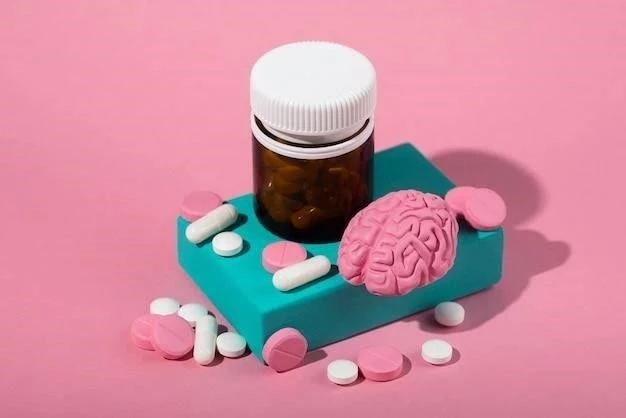
In an increasingly demanding world, maintaining optimal brain health is paramount․ Our cognitive abilities, memory, focus, and mood are intricately linked to the intricate workings of the brain․ While a balanced diet, regular exercise, adequate sleep, and stress management form the bedrock of neurological well-being, many individuals turn to supplements to give their brain an extra edge․ This guide explores various supplements believed to support and enhance brain function, offering insights into their mechanisms and considerations for their use․
Understanding Brain Health
Brain health encompasses more than just avoiding neurological diseases; it’s about optimizing cognitive functions throughout the entire human lifespan․ This includes memory recall, learning capacity, attention span, problem-solving skills, and emotional regulation․ Factors like oxidative stress, inflammation, reduced cerebral blood flow, and nutrient deficiencies can ultimately impair these functions, leading to cognitive decline․ Neuroplasticity, the brain’s ability to reorganize itself by forming new neural connections, is crucial for continuous learning and adapting; actively supporting this dynamic process is a key goal in overall brain health․
The Role of Supplements
Supplements are not magic bullets but complementary tools within a holistic approach․ They fill nutritional gaps, provide compounds supporting neurotransmitter function, protect against cellular damage, or enhance circulation․ The term “nootropics” describes substances that may improve cognitive function – executive functions, memory, creativity, motivation – in healthy individuals․
Key Supplements for Brain Health
- Omega-3 Fatty Acids (EPA & DHA): These essential polyunsaturated fats are critical components of brain cell membranes․ DHA is vital for neuronal function; EPA has strong anti-inflammatory properties․ Studies suggest omega-3s improve memory, mood, and reduce cognitive decline risk․
- B Vitamins (B6, B9, B12): Crucial for metabolic processes, B vitamins play a significant role in brain health․ They synthesize neurotransmitters (serotonin, dopamine) and convert homocysteine, an amino acid, into other substances․ Elevated homocysteine levels link to increased cognitive impairment and dementia risk․
- Vitamin D: Often called the “sunshine vitamin,” Vitamin D receptors are found throughout the brain․ It’s involved in neuroprotection, mood regulation, and inflammation reduction; Deficiency links to impaired cognitive function and increased neurological disorder risk․
- Creatine: Primarily known for its role in muscle energy, creatine also plays a vital role in brain energy metabolism․ It regenerates ATP (adenosine triphosphate), the primary energy currency of cells․ Supplementation may improve working memory and intelligence, especially under sleep deprivation or mental stress․
- Antioxidants (e․g․, Vitamin E, Curcumin, Resveratrol): The brain is highly susceptible to oxidative stress due to its high metabolism and lipid content․ Antioxidants combat free radicals, protecting brain cells․ Vitamin E is a powerful fat-soluble antioxidant․ Curcumin (turmeric) and Resveratrol (red grapes) are potent anti-inflammatory, antioxidant compounds crossing the blood-brain barrier․
- Phosphatidylserine: A phospholipid, vital for brain cell membranes․ It plays a key role in maintaining cellular function, especially signaling․ Supplementation shows promise improving memory, learning, and focus, especially in older adults with age-related cognitive decline․
- Lion’s Mane Mushroom (Hericium erinaceus): This medicinal mushroom gains popularity for neuroprotective, cognitive-enhancing properties․ It stimulates Nerve Growth Factor (NGF) synthesis, supporting neuron growth, maintenance, and survival․
- Ginkgo Biloba: Extracted from Ginkgo tree leaves, this supplement improves cerebral blood flow, enhancing oxygen and nutrient delivery to the brain․ It also possesses antioxidant properties; may improve memory and concentration․
- Bacopa Monnieri: An adaptogenic herb used in traditional Ayurvedic medicine for centuries․ Known for enhancing memory, learning, and reducing anxiety․ Its active compounds, bacosides, improve synaptic communication and nerve impulse transmission․
Important Considerations Before Supplementation
While potential benefits are appealing, a cautious approach is essential:
- Consult a Healthcare Professional: Always discuss any supplement regimen with a doctor, especially if you have health conditions, are pregnant, breastfeeding, or taking other medications․
- Quality and Purity: Choose reputable brands providing third-party testing for purity, potency, and absence of contaminants․
- Dosage and Interactions: Adhere to recommended dosages․ High doses are harmful; supplements can interact with medications or other supplements․
- Lifestyle Factors Remain Paramount: Supplements are not substitutes for a healthy diet, regular exercise, adequate sleep, and stress management; these foundational elements are far more impactful․
- Realistic Expectations: Cognitive benefits from supplements are often subtle, varying greatly among individuals․ Dramatic improvements are rare;
Holistic Approach to Brain Health
Optimizing brain health requires a multi-faceted approach․ Prioritize a nutrient-dense diet rich in fruits, vegetables, whole grains, lean proteins․ Engage in regular physical activity; it boosts brain blood flow and promotes neurogenesis․ Ensure 7-9 hours of quality sleep nightly; sleep is crucial for memory consolidation and brain detoxification․ Practice stress-reduction techniques (meditation, yoga); keep your brain active with mental exercises and social engagement․
Supplements play a supportive role in a comprehensive brain health strategy, offering specific nutrients or compounds to enhance cognitive function or protect against decline․ From essential fatty acids and B vitamins to powerful antioxidants and adaptogenic herbs, diverse options exist․ However, their efficacy maximizes when integrated into a healthy lifestyle; professional guidance is always recommended for safety and appropriateness․ Ultimately, empowering your brain involves conscious, sustained effort across multiple domains, with supplements serving as potential allies, not standalone solutions․