
Creatine Benefits Usage and Safety for Enhanced Performance
February 23, 2026Evidence-Based Testosterone Support
February 24, 2026
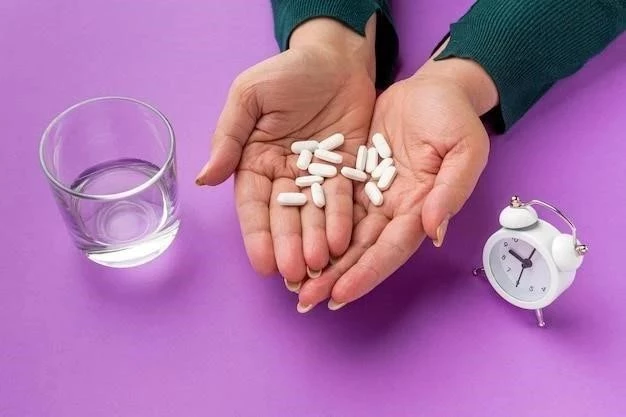
Iron is an essential mineral vital for numerous bodily functions, most notably the production of hemoglobin, the protein in red blood cells that carries oxygen from the lungs to the rest of the body․ When iron levels are insufficient, it can lead to iron deficiency, and in severe cases, iron deficiency anemia (IDA)․ To combat this, healthcare providers often recommend iron supplements, with “325mg iron supplements” being one of the most commonly prescribed dosages․ However, understanding what “325mg” truly signifies is crucial for safe and effective use․
Understanding the “325mg” Designation
The term “325mg iron supplement” typically refers to the weight of the iron salt compound, not the amount of elemental iron available for absorption by your body․ This distinction is paramount, as it’s the elemental iron that the body utilizes․ The most common form of a 325mg iron supplement is ferrous sulfate․
Ferrous Sulfate (325mg)
When you see a bottle labeled “325mg ferrous sulfate,” it means each tablet contains 325 milligrams of the ferrous sulfate salt․ However, only a fraction of this is elemental iron․ A 325mg tablet of ferrous sulfate typically provides approximately 65 milligrams of elemental iron․ This is the amount your body can actually absorb and use․
Other Forms of Iron Salts
While ferrous sulfate is the most common, iron supplements can also come in other forms, such as ferrous gluconate and ferrous fumarate․ Each salt contains a different percentage of elemental iron:
- Ferrous Gluconate: A 325mg tablet provides about 36mg of elemental iron․
- Ferrous Fumarate: A 325mg tablet provides about 106mg of elemental iron․
Always check the product label for the elemental iron content, as this is what your doctor considers when prescribing a dosage․
Who Benefits from 325mg Iron Supplements?
Iron supplements, particularly those providing 60-65mg of elemental iron, are commonly prescribed for individuals with diagnosed iron deficiency or those at high risk․ Conditions and groups who often benefit include:
- Iron Deficiency Anemia (IDA): The most common reason, to replenish depleted iron stores and improve hemoglobin levels․
- Pregnancy: Increased iron demands for fetal development and placental growth, often requiring supplementation to prevent maternal anemia․
- Heavy Menstrual Bleeding (Menorrhagia): Chronic blood loss can lead to iron deficiency over time․
- Vegetarians and Vegans: Dietary iron from plant sources (non-heme iron) is less bioavailable than heme iron from animal sources․
- Individuals with Chronic Kidney Disease (CKD): Often experience iron deficiency due to reduced erythropoietin production and increased iron loss․
- Post-Bariatric Surgery Patients: Alterations in digestion and absorption can impair iron uptake․
- Certain Gastrointestinal Conditions: Such as celiac disease, inflammatory bowel disease (IBD), or peptic ulcers, which can affect iron absorption or cause chronic blood loss․
- Frequent Blood Donors: To help replenish iron stores more quickly․
Proper Dosage and Administration
It is paramount to take iron supplements exactly as prescribed by your healthcare provider․ Self-medicating with iron can be dangerous due to the risk of iron overload․
- Medical Supervision: Always consult a doctor before starting iron supplements․ They will diagnose the deficiency and determine the appropriate dosage and duration․
- Timing: Iron is best absorbed on an empty stomach, typically one hour before or two hours after meals․ However, if stomach upset occurs, taking it with a small amount of food may be necessary․
- Enhance Absorption: Taking iron with a source of Vitamin C (e․g․, orange juice, a vitamin C tablet) can significantly enhance its absorption․
- Avoid Inhibitors: Do not take iron supplements with calcium-containing foods or supplements, antacids, milk, coffee, tea, or whole grains, as these can inhibit iron absorption․ Separate these by at least 2-4 hours․
- Consistency: Adherence to the prescribed regimen is key for effective treatment․
Potential Side Effects
While effective, iron supplements, especially at 325mg (65mg elemental iron) or higher, can cause side effects․ These are usually mild and often resolve as your body adjusts:
- Gastrointestinal Upset: Nausea, stomach pain, or cramps are common․
- Constipation or Diarrhea: Constipation is particularly frequent․ Increasing fiber and fluid intake can help․
- Dark Stools: Iron supplements cause stools to turn dark green or black․ This is harmless but can be mistaken for blood in the stool․
- Heartburn: Some individuals may experience acid reflux․
- Metallic Taste: A temporary metallic taste in the mouth can occur․
If side effects are severe or persistent, discuss them with your doctor․ They may recommend a different iron salt, a lower dose, or an alternative administration schedule․
Important Precautions and Warnings
Iron supplements are not without risks, and several precautions must be observed:
Iron Overload (Hemochromatosis)
Excessive iron intake can lead to iron overload, a dangerous condition where iron accumulates in organs like the liver, heart, and pancreas, causing damage․ Individuals with hereditary hemochromatosis are particularly susceptible․ Therefore, iron supplementation should only be undertaken with medical guidance and regular monitoring of iron levels․
Accidental Poisoning in Children
Iron poisoning is a leading cause of accidental poisoning deaths in young children․ Even a few adult-strength iron tablets can be fatal․ Always store iron supplements in child-resistant containers and keep them strictly out of reach and sight of children․ Treat any suspected ingestion as a medical emergency and seek immediate professional help․
Drug Interactions
Iron supplements can interact with various medications, affecting their absorption or efficacy, or vice versa:
- Antibiotics: (e․g․, tetracyclines, quinolones) Iron can reduce their absorption․ Take iron 2-4 hours apart․
- Thyroid Hormones: (e․g․, levothyroxine) Iron can decrease the absorption of thyroid medication․ Separate doses by at least 4 hours․
- Bisphosphonates: Used for osteoporosis․ Iron can reduce their absorption․
- Proton Pump Inhibitors (PPIs) and H2 Blockers: These acid-reducing medications can decrease stomach acid, which is needed for optimal iron absorption․
Always inform your doctor and pharmacist about all medications, supplements, and herbal products you are taking․
Pre-existing Conditions
Individuals with certain conditions, such as peptic ulcers, regional enteritis, or ulcerative colitis, should use iron supplements cautiously due to potential aggravation of their symptoms․
Monitoring Your Iron Levels
To ensure the effectiveness and safety of iron supplementation, your doctor will likely recommend regular blood tests․ These typically include:
- Hemoglobin and Hematocrit: To assess red blood cell levels and improvement in anemia․
- Ferritin: A measure of your body’s iron stores․ This is crucial for monitoring progress and preventing overload․
- Iron Saturation/Total Iron Binding Capacity (TIBC): Provides further insight into iron status․
Monitoring helps your doctor adjust the dosage or discontinue the supplement once iron stores are replenished, preventing excessive accumulation․
325mg iron supplements, most commonly ferrous sulfate providing 65mg of elemental iron, are a vital treatment for iron deficiency and anemia․ However, their use requires careful consideration and, most importantly, medical supervision․ Understanding the difference between the iron salt and elemental iron, proper administration techniques, potential side effects, and critical precautions like the risk of accidental poisoning and iron overload, are all essential for safe and effective therapy․ Always consult your healthcare provider to determine if iron supplementation is right for you and to manage your treatment plan appropriately․
Character count: 3941