
A Guide to Dietary Supplements in Qatar
February 24, 2026
The 1990s The Wild West of Supplements
February 25, 2026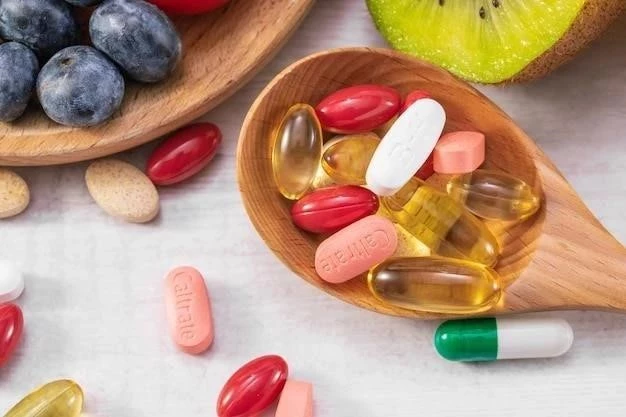
Biotin‚ also known as Vitamin B7‚ is an essential water-soluble vitamin crucial for numerous bodily functions. While often touted for hair‚ skin‚ and nail health‚ its role extends far beyond aesthetics. This article delves into what biotin supplements are‚ their benefits‚ potential side effects‚ and who might benefit from taking them.
What Does Biotin Do?
Biotin is a coenzyme‚ meaning it helps enzymes function properly. These enzymes are involved in the metabolism of carbohydrates‚ fats‚ and proteins. Specifically‚ biotin plays a vital role in:
- Energy Production: Converting food into usable energy.
- Cell Growth: Supporting healthy cell development.
- Nervous System Function: Maintaining proper nerve signaling.
- Gene Regulation: Influencing gene expression.
Because it’s water-soluble‚ the body doesn’t store large amounts of biotin. Excess biotin is typically excreted through urine‚ making consistent intake important.
Benefits of Biotin Supplements
Hair‚ Skin & Nails
The most well-known benefit is its potential to improve hair‚ skin‚ and nail health. Biotin deficiencies can lead to brittle nails‚ hair loss (alopecia)‚ and skin rashes. Supplementation may help strengthen nails‚ reduce hair breakage‚ and improve skin appearance‚ though research is mixed‚ especially in those without a deficiency.
Metabolic Health
Biotin is important for glucose metabolism. Some studies suggest it may benefit individuals with diabetes‚ improving blood sugar control. However‚ more research is needed.
Neurological Function
Biotin supports nerve function. Rare genetic disorders affecting biotin metabolism can cause neurological symptoms‚ which can be alleviated with high-dose biotin therapy under medical supervision.
Who Might Need Biotin Supplements?
Most people get enough biotin from their diet. Good sources include eggs‚ liver‚ salmon‚ sweet potatoes‚ nuts‚ seeds‚ and avocados. However‚ certain groups may be at risk of deficiency:
- Pregnant & Breastfeeding Women: Increased biotin needs.
- Individuals with Biotinidase Deficiency: A rare genetic disorder.
- People with Digestive Disorders: Conditions like Crohn’s disease can impair absorption.
- Those on Long-Term Antibiotics: Antibiotics can disrupt gut bacteria that produce biotin.
- Heavy Alcohol Consumers: Alcohol can interfere with biotin absorption.
Potential Side Effects & Precautions
Biotin is generally considered safe‚ even at high doses. However‚ some potential side effects include:
- Digestive Upset: Nausea‚ bloating‚ or diarrhea.
- Skin Rashes: Though rare.
- Interference with Lab Tests: This is crucial! Biotin can significantly interfere with certain lab tests (e.g.‚ thyroid tests‚ cardiac markers)‚ leading to inaccurate results. Always inform your doctor if you are taking biotin supplements before any blood tests.
Dosage: There’s no established Recommended Dietary Allowance (RDA) for biotin. Typical supplement doses range from 30 mcg to 10‚000 mcg daily. Consult a healthcare professional to determine the appropriate dosage for you.
Biotin supplements can be beneficial for individuals with a deficiency or specific health conditions. However‚ they are not a magic bullet for hair‚ skin‚ and nail health for everyone. Prioritize a balanced diet and consult with a doctor before starting any new supplement regimen‚ especially considering potential interference with lab tests.