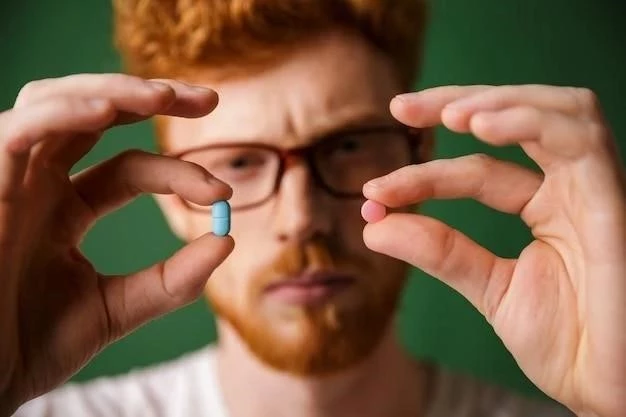

Exploring Jude Supplements for Bladder Control
March 18, 2026
Creatine Supplements A Comprehensive Guide
March 19, 2026
Anxiety is a pervasive mental health challenge affecting millions globally, manifesting in various forms from generalized worry to panic attacks. While lifestyle adjustments, therapy, and medication are primary interventions, many individuals explore natural alternatives like supplements to support their mental well-being. This article delves into popular supplements for anxiety, offering insights into their potential benefits and considerations.
Important Disclaimer: Supplements are not a cure for anxiety and should never replace professional medical advice or prescribed treatments. Always consult a healthcare professional before starting any new supplement regimen, especially if you have underlying health conditions or are taking medications.
Key Supplements for Anxiety Support
- Magnesium: Often called “nature’s tranquilizer,” magnesium plays a crucial role in over 300 biochemical reactions in the body, including nerve and muscle function. Deficiency is common and linked to increased anxiety. Supplementation may help regulate neurotransmitters, reduce muscle tension, promote relaxation, and improve sleep quality.
- L-Theanine: An amino acid found predominantly in green tea, L-Theanine is known for its ability to promote relaxation without drowsiness. It crosses the blood-brain barrier, increasing alpha brain wave activity (associated with a relaxed, alert state) and influencing neurotransmitters like GABA, serotonin, and dopamine, leading to a sense of calm.
- Omega-3 Fatty Acids (EPA & DHA): Found in fatty fish and certain plant sources, omega-3s are essential for brain health. EPA and DHA have anti-inflammatory properties and are crucial for neurotransmitter function. Research suggests they may reduce symptoms of anxiety and depression, particularly in individuals with higher inflammation markers.
- Vitamin D: Often recognized for bone health, Vitamin D also plays a significant role in mood regulation and brain function. Low levels of “the sunshine vitamin” have been correlated with higher rates of anxiety and depression. Supplementation, especially in individuals with deficiency, may improve mood.
- Ashwagandha (Withania somnifera): An ancient adaptogenic herb in Ayurvedic medicine, Ashwagandha helps the body manage stress. It’s believed to reduce cortisol levels, a primary stress hormone, thereby alleviating symptoms of anxiety and improving stress resilience.
- Rhodiola Rosea: Another adaptogenic herb, Rhodiola is used to combat fatigue and improve mental performance under stress. It can help balance neurotransmitters and reduce the body’s physiological response to stressors, making it beneficial for stress-induced anxiety.
- GABA (Gamma-Aminobutyric Acid): GABA is the primary inhibitory neurotransmitter in the brain, responsible for calming nervous activity. While direct oral GABA supplementation has debated efficacy due to poor blood-brain barrier penetration, some individuals report benefits, possibly due to indirect effects or specific formulations.
- Lemon Balm (Melissa officinalis): A member of the mint family, Lemon Balm has been traditionally used to reduce stress and anxiety, improve sleep, and soothe indigestion. It’s thought to work by increasing the availability of GABA in the brain.
- Passionflower (Passiflora incarnata): Known for its mild sedative properties, Passionflower is often used to relieve anxiety and insomnia. It’s believed to increase GABA levels in the brain, leading to a calming effect.
Important Considerations When Using Supplements
- Quality and Purity: Choose reputable brands that conduct third-party testing for purity, potency, and absence of contaminants. Look for certifications.
- Dosage: Start with the lowest effective dose and gradually increase if needed, under professional guidance. More is not always better and can lead to side effects.
- Potential Interactions: Supplements can interact with prescription medications (e.g., antidepressants, blood thinners) and other supplements. Always inform your doctor about everything you are taking.
- Individual Variability: What works well for one person may not work for another. Be patient and observant of your body’s response.
- Holistic Approach: Supplements are most effective when integrated into a broader strategy that includes a balanced diet, regular exercise, adequate sleep, stress management techniques, and professional therapy when necessary.
Exploring supplements for anxiety can be a valuable part of a comprehensive wellness plan. However, their role is supportive, not curative. Prioritize open communication with your healthcare provider to ensure safe and effective integration into your anxiety management strategy, paving the way for improved mental well-being.